When every beep sounds like an emergency, but most aren’t, the danger is real. In hospitals, alarms are meant to save lives, yet their constant chorus often does the opposite. This phenomenon, known as alarm fatigue, occurs when clinicians become desensitized to alerts after hearing hundreds of false or non-urgent signals each day.
The result? Critical warnings can be missed, putting patient safety at risk, and adding stress to already overloaded nursing workflows. Tackling this issue isn’t just about silencing noise; it’s about redesigning systems to ensure the right alarms get the right attention at the right time.
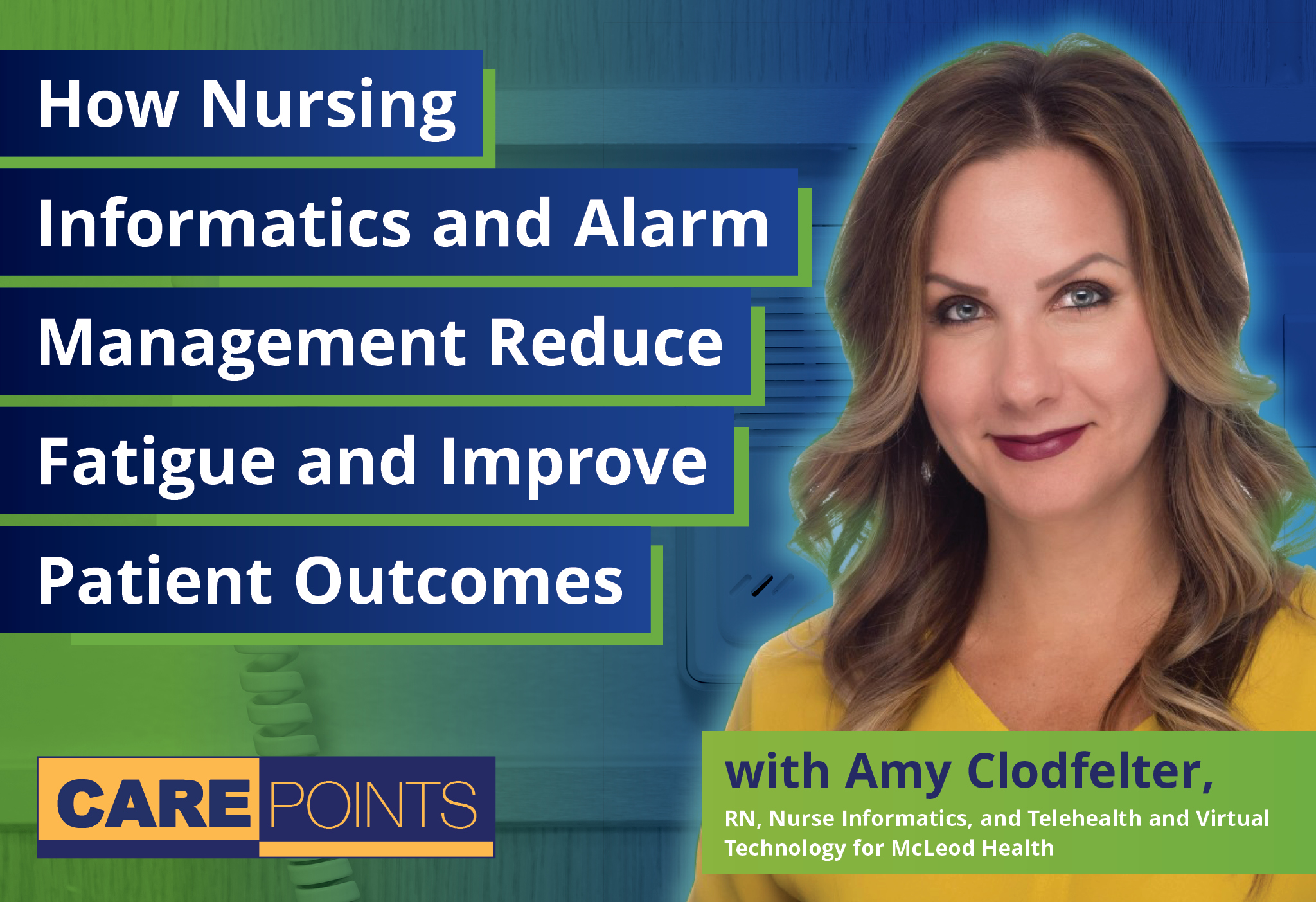
Unnecessary noise has been an issue for decades, and it takes sustainable improvements and ongoing monitoring to maintain alarm reductions over time. Amy Clodfelter, author of “Improving Alarm Management Practices Wireless Bed Exit Alerts on Medical-Surgical Units” began as a critical care nurse, later becoming a travel nurse and starting to think about how systems work together.
Clodfelter was able to shape her career into a large organization where she led a team of nursing informaticists. She worked on a broad portfolio of technologies that nurses and other clinicians use at the bedside.

The Role of Bed Exit Alerts in Patient Safety
Bed exit alerts aim to prevent patient falls, a critical safety concern, but they often contribute to alarm fatigue. When multiple nurses receive the same alert, confusion over who should respond can disrupt workflows and patient care. As Clodfelter notes, this isn’t just a technical issue; it’s a cultural one that impacts both staff and patients.
Innovations like pressure-sensing mattresses help distinguish real movement from minor shifts, reducing unnecessary alarms. Yet technology alone isn’t enough. Hospitals must balance minimizing false alerts while ensuring genuine warnings get immediate attention. The goal is clear: smarter alarm management that protects patients without overwhelming caregivers.
“Nobody knows who’s responsible for going to that patient first. What if I’m in a room with a patient doing a procedure? Am I to drop everything? Is the whole unit supposed to drop everything?” said Clodfelter. “So there was a lot of culture that we needed to shift and think behind that design. It impacts staff, but it also impacts patients.”

A Socio-Technical Approach to Alarm Management
The socio-technical model “comprehensively represents the factors influencing the design, development, use, implementation, and evaluation of health information technology,” according to Sittig and Singh. Adapting these workflows to address sociotechnical factors may reduce nuisance alerts and enhance the usefulness of systems.
“Some examples are workflow and communication, hardware and software, the people, the internal regulations, and external regulations. All of those things get evaluated in an end-to-end workflow from a systems perspective,” said Clodfelter.
This approach highlights that even well-designed alarms, like wireless bed exit alerts, can add noise if workflows and escalation pathways aren’t aligned. Human factors are just as important as the tech itself. Nurses need systems that supporttheir workflow. By reducing unnecessary noise, prioritizing critical alerts, and clarifying accountability, hospitals can design alarm workflows that cut fatigue and strengthen patient safety.
Data-Driven Strategies for Sustainable Improvement
Analyzing alarm data helps hospitals separate nuisance alerts from those that matter. By tracking frequency, types, and staff responses, leaders can fine-tune workflows, adjust settings, and create policies that cut noise without missing critical warnings. Data replaces guesswork, offering a clear view for smarter, evidence-based strategies.
“When people see numbers and facts, it’s eye-opening. Once we saw the drastic drop in alerts to phones, everyone said, ‘this is great,’” said Clodfelter.
Alarm management isn’t a one-time fix—it demands ongoing oversight. Without continuous monitoring, old patterns return. Sustained success relies on leadership support, accountability, and regular data reviews to keep workflows safe and effective.
Amy Clodfelter is a healthcare leader with over 25 years of nursing experience and 15 years in informatics. She holds a doctorate in Health Informatics and currently serves as Health Informatics Strategy & Solutions Leader at McLeod Health, where she drives telehealth, alarm management, and workflow optimization. Her work focuses on reducing alarm fatigue, improving patient safety, and implementing data-driven interventions that maintain fall prevention while minimizing nuisance alerts.

©1991-2025 Lone Star Communications, Inc. and/or its affiliates.