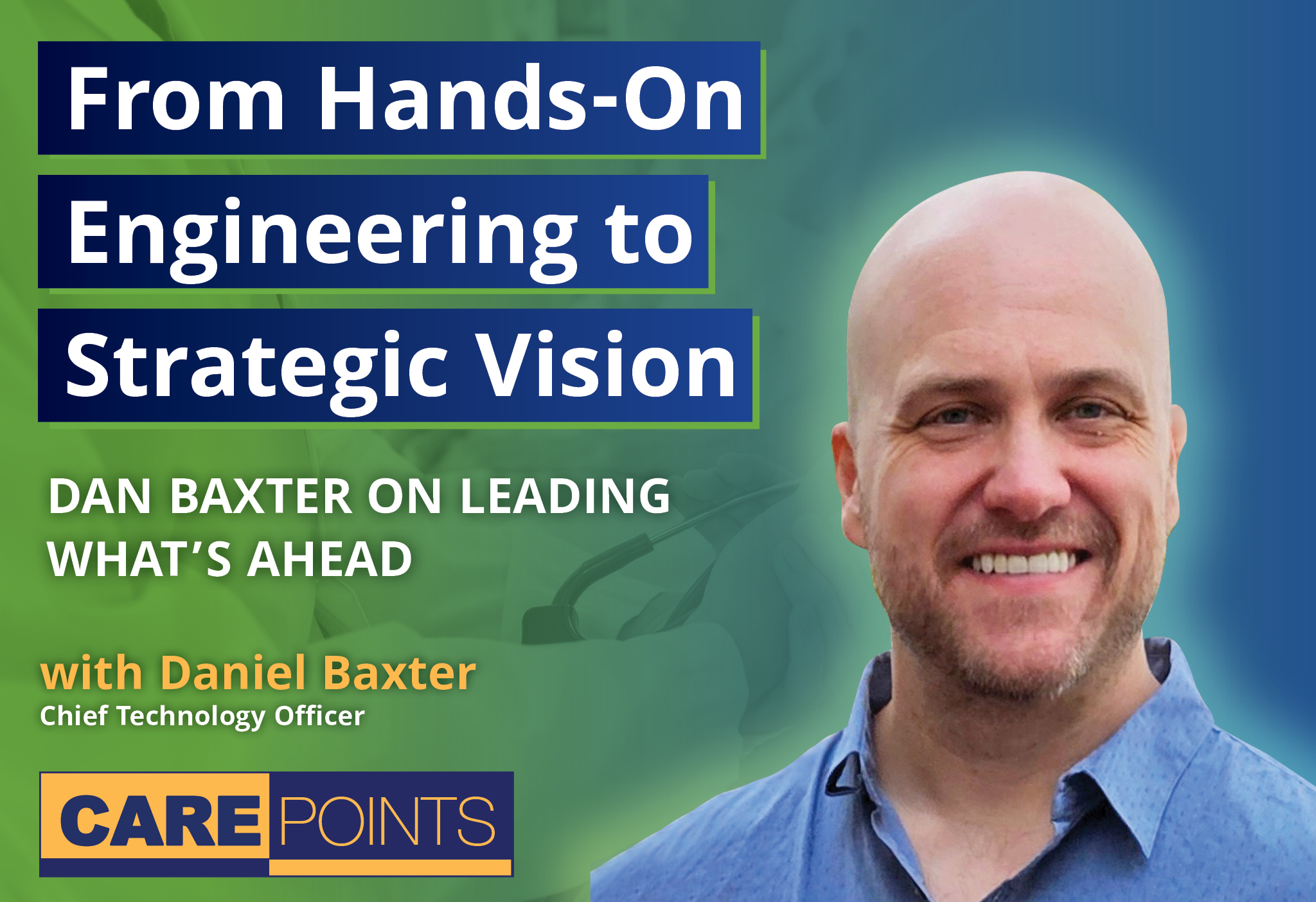
For 35 years, Lone Star Communications has earned its reputation by making complex healthcare and education technologies work in the real world. As the company prepares for its next chapter, the evolution of its technology leadership marks a defining moment—one that blends stability with forward‑looking innovation.
At the center of this evolution is Chief Technology Officer Dan Baxter, whose dual role also includes serving as Chief Technology Officer for sibling companies—Alairo Solutions and ProMobix. His approach reflects a balance that has always defined Lone Star: practical, hands‑on expertise paired with strategic thinking about where the industry is headed.
Wearing Both Hats: Strategic Vision Meets Real Engineering
Baxter describes his role as a balance between two hats: one strategic and one deeply technical. On any given day, he may shift from long‑range planning meetings to rolling up his sleeves and writing code. That blend is rare yet intentional. It mirrors Lone Star’s history, where leaders often grow from practitioners who understand the day‑to‑day realities of systems integration.
This dual perspective helps ensure that the solutions the company builds are grounded in real‑world usability. “Tools have to work for the people who actually use them,” Baxter emphasizes. That philosophy continues to influence how new products are built, how integrations evolve, and how customer support is structured.

A Culture That Feels Like Family, and Works Like One
One of the themes Baxter returns to often is culture. Despite joining the company recently in an official capacity, he notes that the connection with the Lone Star team has always felt natural. Years of collaboration through ThorTech Solutions established a relationship rooted in mutual respect and trust.
“It feels like family and friends,” he said. “An entire company of people that are invested in the same end goal… that becomes really powerful.”
That sense of belonging isn’t accidental. The company’s move to employee ownership in 2025 strengthened that dynamic even further. Baxter sees employee ownership as a ground‑up strategy that aligns incentives, encourages innovation, and ensures everyone has a stake in the company’s success.
Why a CTO Matters in Systems Integration
Many systems integrators don’t have a dedicated Chief Technology Officer. As the technology landscape shifts rapidly with AI, cloud migrations, mobility, and cybersecurity reshaping expectations—strategic leadership becomes essential.
Baxter sees the CTO function to ensure the company stays adaptive. “It’s easy to have success and forget that the default nature of things is change,” he says. The role keeps Lone Star focused on forward momentum: not just reacting to technology shifts but shaping a future that aligns with customer needs.
This intentionality allows the company to better evaluate market trends, anticipate customer challenges, and build or select the solutions that will matter most over the next decade.
Balancing Legacy Systems with Future Innovation
Healthcare and education organizations rely on deeply entrenched systems. They cannot simply replace critical infrastructure on a whim, especially where patient care or student safety is involved. Baxter emphasizes that innovation must happen “very carefully,” respecting the systems and processes already in place.
Sometimes that means upgrading a component. Other times it means building new layers or interfaces around an existing system, like adding new scaffolding around an old but reliable structure. The goal is always the same: honor the customer’s investments while helping them modernize thoughtfully and sustainably.

Cybersecurity as a Core Expectation
As cybersecurity standards tighten across education, healthcare, and technology sectors, Baxter sees security as something that must be built into the culture of development and integration, not bolted on afterward. Achieving SOC 2 compliance was an important step, but the mindset behind it is even more significant.
Cybersecurity isn’t just documentation or process; it’s a promise. And being able to show evidence behind that promise drives customer trust. Lone Star is committed to maintaining that posture as threats evolve.
AI’s Most Valuable Role: The Human‑Centered Cyborg Model
When it comes to AI, Baxter avoids predictions that claim certainty. What excites him most is not automation for automation’s sake, but AI’s role as an enhancer of human capability. He describes the most practical model today as “the cyborg version of AI”—where a skilled person remains at the center, using AI to amplify efficiency, insight, and problem‑solving.
This belief shapes how Lone Star and Alairo approach AI internally and in customer-facing solutions: AI should make teams super‑capable, not replace them.
Clinical Mobility and Active Fall Prevention
Looking ahead, Baxter highlights upcoming Alairo Solutions that will bring real advancement to clinical workflows. A new clinical mobility solution will deliver nurse call alarms, analytics, and interactive tools directly to a caregiver’s mobile device, all within a single application.
Layered with that is Alairo’s Active Fall Prevention (AFP) technology, which uses AI‑powered ambient sensing to detect and even predict patient movements that signal a fall risk. Integrating mobility, analytics, and fall prevention into one ecosystem reflects the very innovation‑meets‑practicality approach Baxter champions.
It’s not just technology, it’s the culmination of decades of bedside workflow understanding translated into modern, usable tools.
What’s Next?
The future holds blends of tradition with transformation, honoring the legacy that built the company while embracing the technologies shaping tomorrow. With leaders like Dan Baxter guiding the path, the future of communication technology in healthcare and education isn’t just evolving. It’s being purposefully engineered.
“We’ve always been helping the customer,” Baxter says. “Now we have more ways to do that.”
Dan Baxter is a seasoned technology leader known for blending hands‑on engineering with strategic vision. With deep experience across cloud architecture, software development, analytics, and high‑performance engineering teams, he focuses on building technology that genuinely works for the people using it. His background working with healthcare communication systems—and his long‑standing collaboration with the Lone Star family, gives him a unique perspective on how legacy infrastructure and future innovation intersect.

©1991-2025 Lone Star Communications, Inc. and/or its affiliates.